LOVE DISRUPTION 2026 Brings Startups, Small and Medium-Sized Businesses, and Deep Tech to Marburg

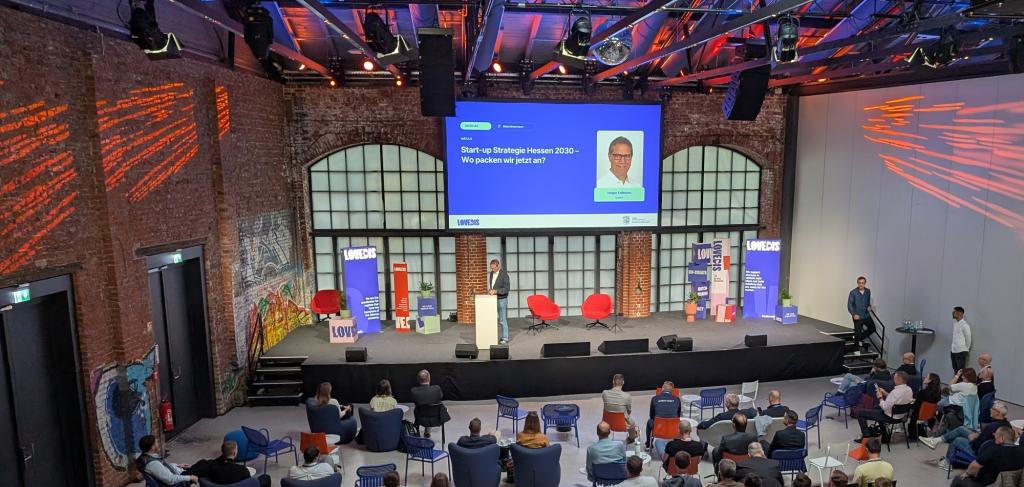
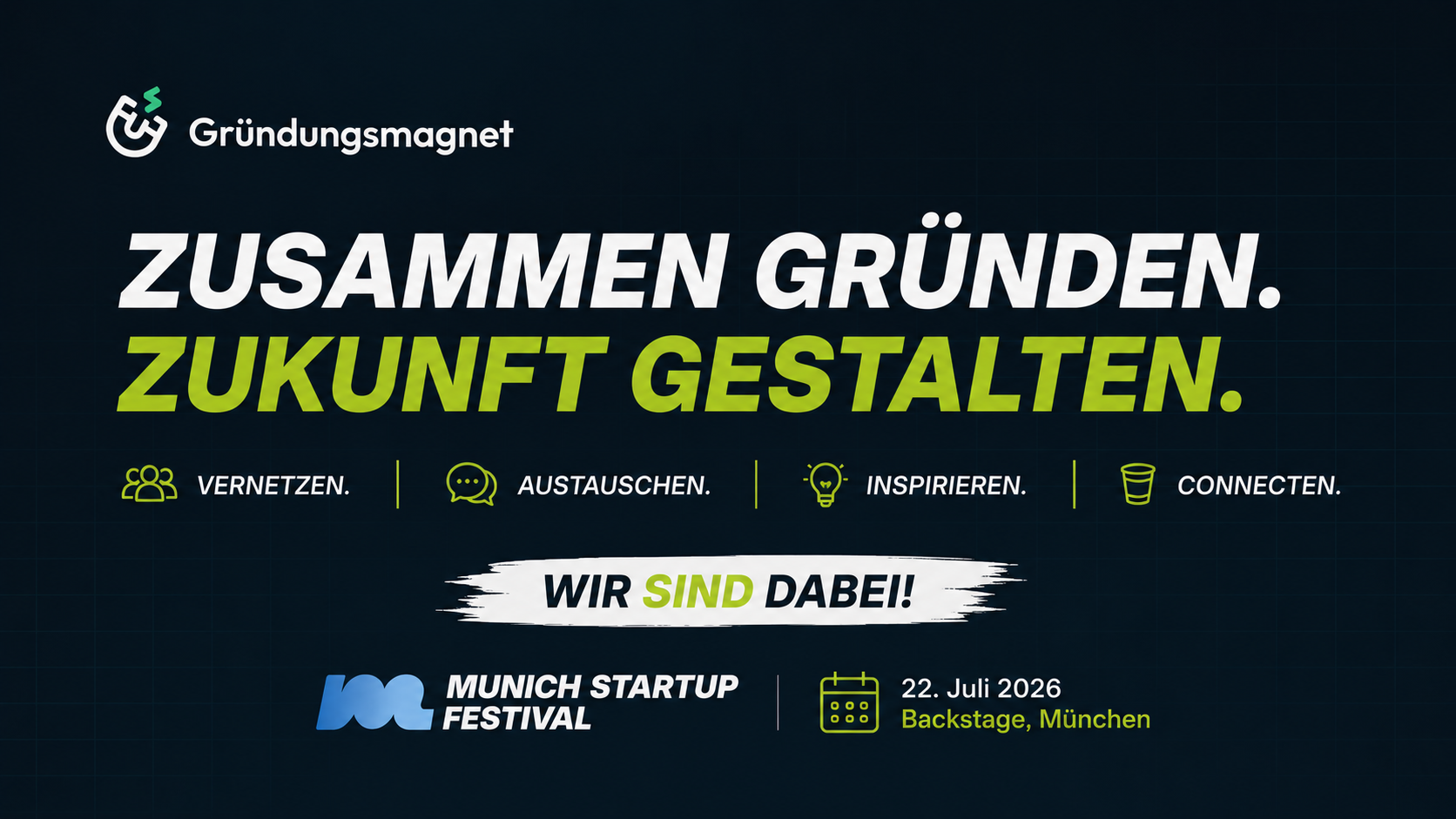
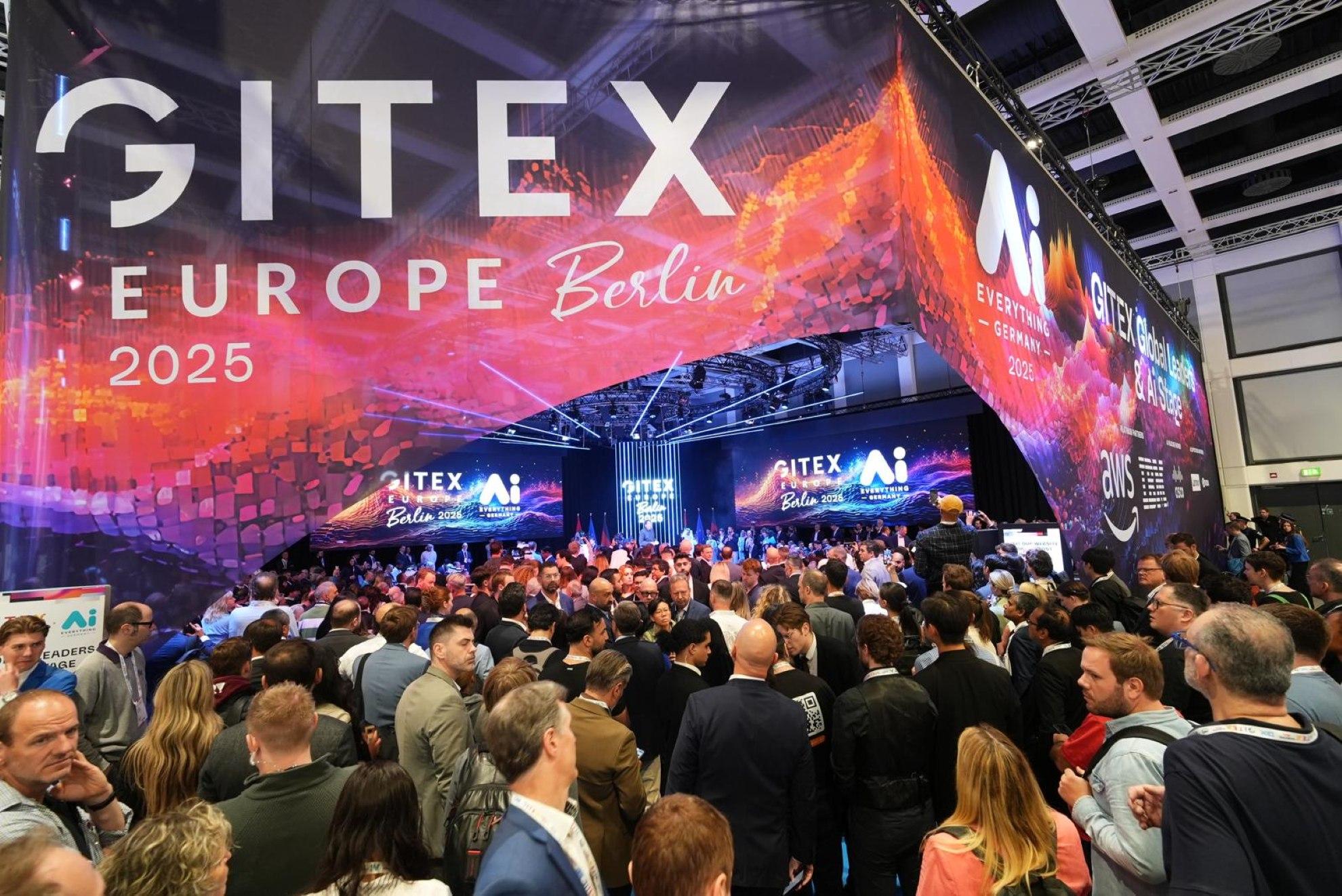
More than 300 guests from the business, academic, startup, and political communities gathered at LOVE DISRUPTION 2026 at the Lokschuppen in Marburg. The focus was on artificial intelligence, deep tech, quantum technology, industry, and health tech. In addition to keynote speeches and panel discussions, a total of 17 startups from the industry and health tech sectors presented their work.
The event, organized by LOVEDIS, was designed to highlight what has been built up over the course of the year as an innovation ecosystem in Central Hesse: the connection between startups, established companies, academia, and politics. In terms of content, the event focused on construction, industry, and health tech, as well as the cross-cutting topic of artificial intelligence.
Hesse’s Startup Strategy Faces the Question of Implementation
Following the opening remarks by Mara Steinbrenner of LOVEDIS, attention first turned to the political framework. Hesse’s startup commissioner, Holger Follmann, discussed the “Startup Strategy Hesse 2030” and, in particular, the question of what concrete steps must now follow.
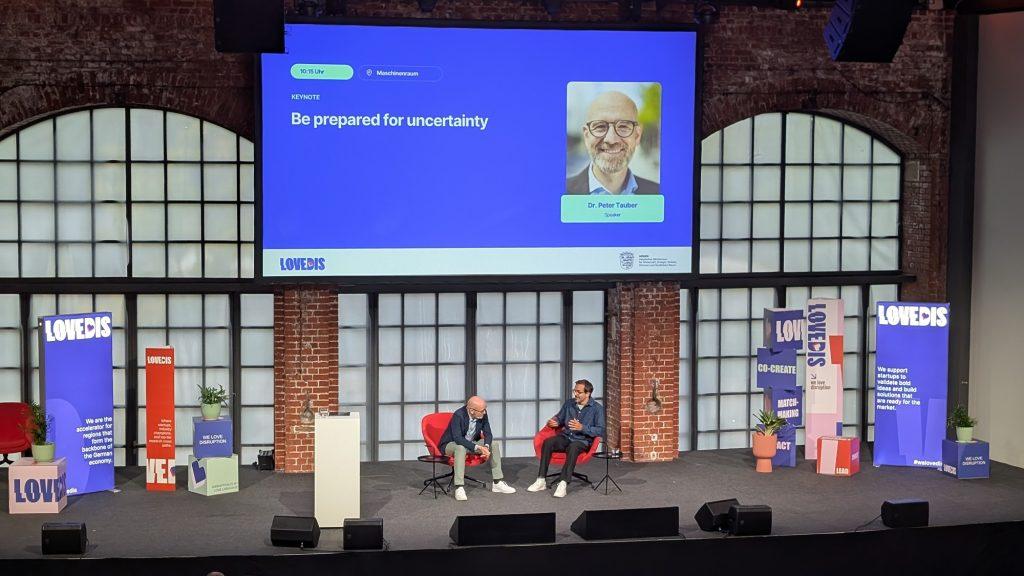
Dr. Peter Tauber, former CDU Secretary-General and current entrepreneur, then dedicated his keynote address to dealing with uncertainty.
Another key focus was the connection between energy and artificial intelligence. Under the title“No AI Without Energy—No Energy Transition Without AI,” Sophia Rödiger from 1KOMMA5° and Dr. Steffen Lehmann and Kai Lehmann from C. A. Weber discussed two key areas of economic transformation.
The Ecosystem Seeks Visibility
In their respective presentations, both Holger Follmann and Dr. Peter Tauber emphasized the importance of the ecosystem’s visibility. Follmann urged the audience to actively communicate the successes of which Hesse can rightly be proud to the outside world. Tauber went a step further and urged startups to seek out communications specialists when needed. While founders may be very skilled with their respective products, he noted, this does not necessarily mean they are capable of conveying their ideas to the outside world through effective storytelling.
Startbase’s commentary on visibility: As an independent media outlet for the startup world, Startbase also sees itself as a platform that raises the profile of startups and brings their stories to a wider audience beyond the boundaries of its own ecosystem. With low-barrier offerings such as our free startup database and comprehensive editorial coverage, we aim to help make the much-cited “startup bubble” more permeable. However, the truth is also that: Many founders invest months or even years in their idea, product, and technology, but devote comparatively little attention to the question of how they will subsequently communicate these. A PR strategy often only becomes a priority once the funding round is complete, the product is finished, or the first major success story has emerged. This is a real problem, especially when it comes to innovations. Anyone who develops something that is truly new cannot wait for the market to seek it out on its own. Chances are, no one is yet familiar with the product, the technology, or even the problem it is meant to solve. The innovation seeks out its market, and communication is an essential part of this process. In practice, however, support for public relations is often limited to recommendations for a PR agency from investors or a arranged and paid appearance on a podcast. Startups that can already demonstrate large funding rounds, well-known investors, or other high-profile successes automatically receive broader media attention. For many young companies, this creates a classic chicken-and-egg problem. Visibility often comes only with success. At the same time, visibility can be an important prerequisite for achieving that success in the first place. The challenge of gaining recognition beyond one’s own niche affects startups almost regardless of industry or business model. Lowering this barrier should therefore not be the sole responsibility of founders. Media outlets, investors, universities, economic development agencies, policymakers, and other stakeholders in the ecosystem can all do their part to bring relevant innovations to light sooner. This may give them the chance to be noticed even outside their own bubble. If you need more visibility, feel free to send a message to our DoP: G.Belger@Startbase.com
What role do small and medium-sized enterprises play in the AI race?
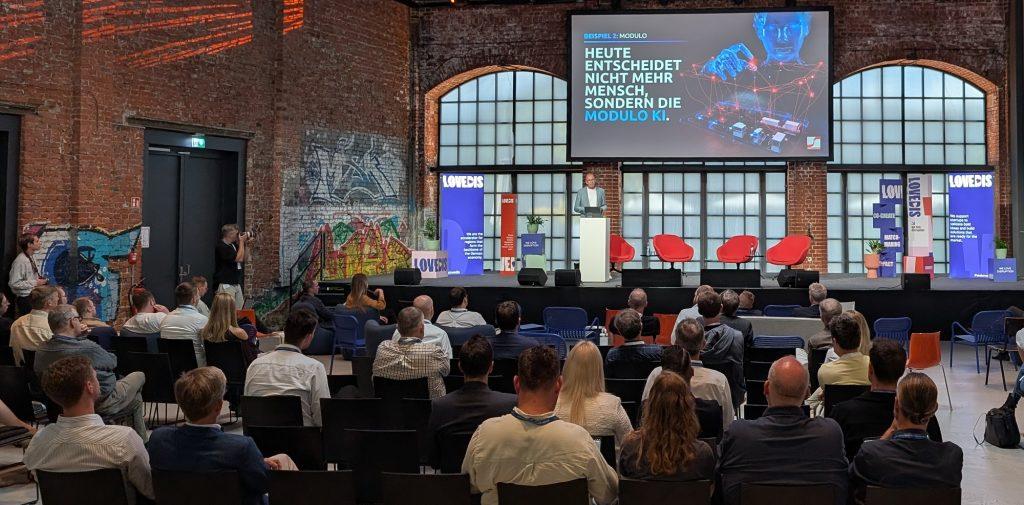
In the afternoon, the focus shifted more toward industrial transformation. Heiko Brömmelstrote from EnBW addressed the question of whether the AI race might ultimately be decided by small and medium-sized enterprises.
The panel on predictive maintenance then also addressed the practical application of new technologies. Lena Weirauch from ai-omatic, Gunter Schneider from Schneider Optical Machines, and Prof. Dr. Michael Guckert from the Technical University of Central Hesse discussed the changes in industrial maintenance processes.
This brought to the forefront a topic that is currently crucial for many industrial companies: How can AI and new digital technologies be transferred from pilot projects into day-to-day operations?
Ten Startups Kick Off the New Industry Batch
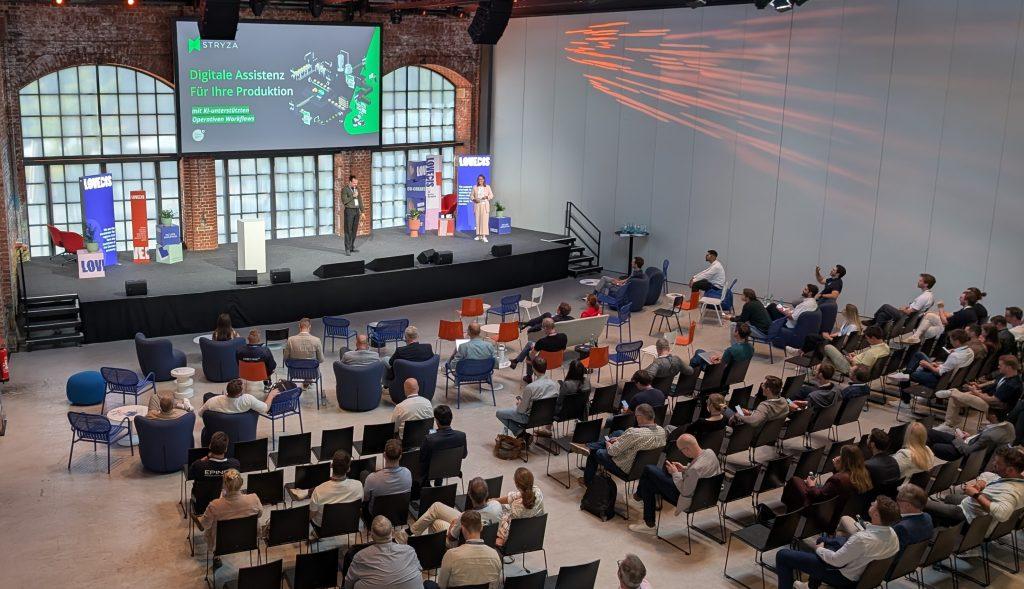
With the Construction Accelerator now in the implementation phase with its partners, the kick-off of the Industry Batch took a hands-on approach. LOVEDIS had selected startups whose solutions are designed to address specific challenges faced by the industry partners. A particular focus was placed on knowledge management.
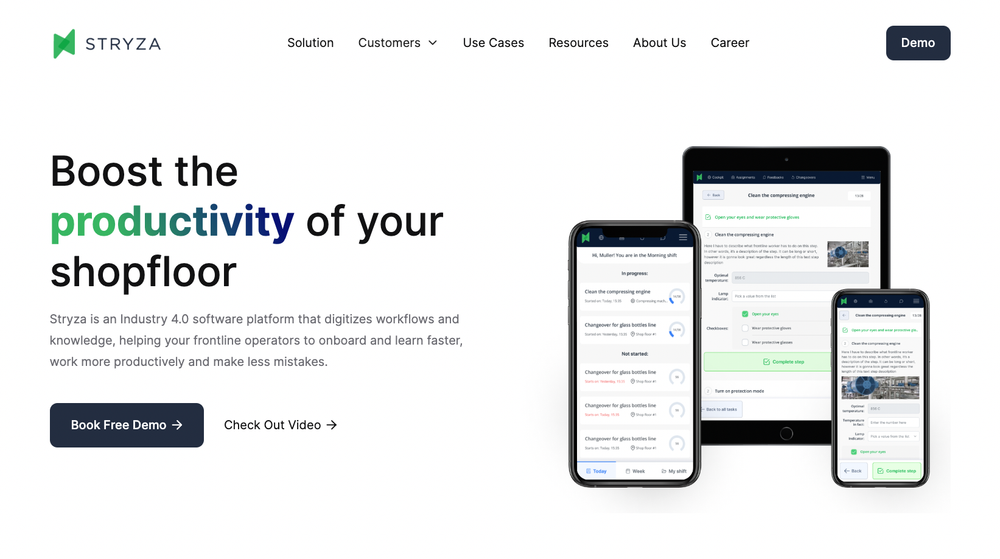
The participating startups were Stryza, Credular, Elephant, VSight, Epinoia, great2know, genow, lytra, Klarendo, and industry impact. This was followed by a matchmaking session between the startups and industry partners. The goal was to bring the young companies into direct contact with established market players and to discuss potential applications for their technologies. In retrospect, there is also some overlap among the startups presented, suggesting that collaborations may develop there in the future as well.
Deep Tech and Quantum Research: Bridging Science and the Market
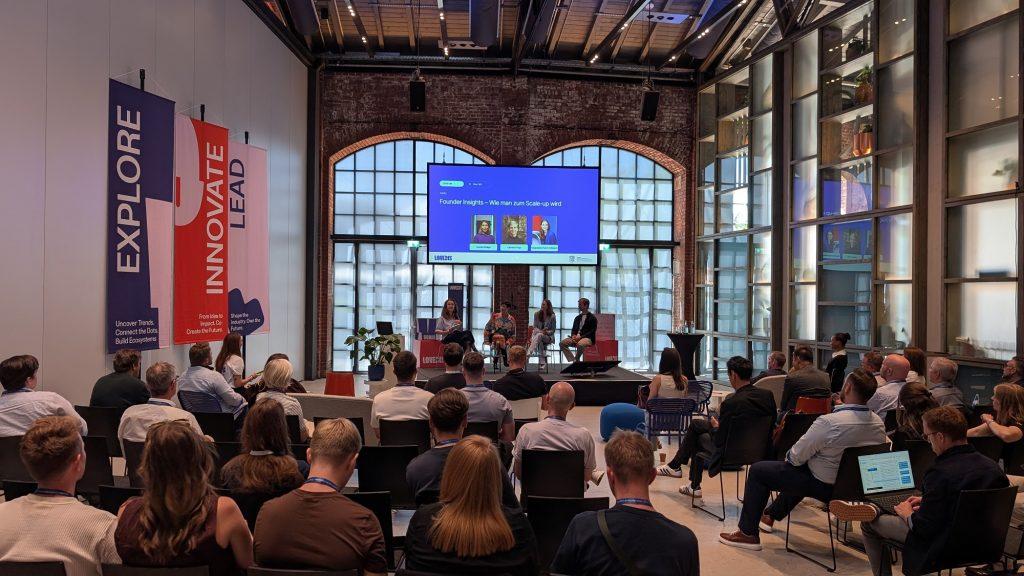
On the second stage, “Gleis 360,” the focus was, among other things, on how technological breakthroughs actually give rise to companies and scalable business models.
Günter Kraft of Focused Energy spoke about the challenges that arise after the actual deep tech breakthrough. Nicolai Walter, CEO and co-founder of Pixel Photonics, provided insights into the current state of quantum technology and its potential applications.
Together with Dr. Michael Hofstetter of SPRIND and Jovana Walter of Futury Capital, the panel then discussed what is necessary to actually bring scientific innovation to market.
Investors Discuss AI Theses for 2026
The program also included the perspective of investors. Jovana Walter of Futury Capital and Dirk Rudolf of Wunderland Capital discussed their investment thesis for 2026 and the question of how to invest with and in artificial intelligence. In the subsequent scale-up panel, Magdalena Pusch-Wiebach from Framen, Sophia Rödiger from 1KOMMA5°, and Clemens Feigl from everwave shared their experiences with the growth of young companies.
Health Tech: From Fax Machines to AI
Later in the afternoon, the focus shifted to the digitization of the healthcare sector. In her keynote address titled “Between Fax Machines and AI,” Dr. Johanna Ludwig addressed the transformation of the German healthcare system.
Together with Prof. Dr. Sebastian Kuhn, Professor of Digital Medicine and Director of the Institute for Digitalization in Medicine at UKGM, she then discussed the role hospitals can play as drivers of innovation and how new technologies can be brought into practical use more quickly.
Seven Health-Tech Startups on Stage
Seven health tech startups then demonstrated what such innovations might look like. Each team was given 90 seconds to present its solution. Taking the stage were myScribe, ORUS 2.0, Quinn Health, Lumaid, medicalvalues, ArInLaS Aila, and anonetics.
The technical program concluded with, among other things, the “Mission Life Science” panel featuring representatives from CSL, Philipps University of Marburg, and Regional Management Mittelhessen. Afterward, LOVE DISRUPTION transitioned into the after-work event.
Central Hesse Aims to Strengthen Innovation Networks
Above all, LOVE DISRUPTION 2026 showcased the breadth of the innovation ecosystem in Central Hesse. Here, universities and research institutions come together with industrial companies, startups, investors, and political stakeholders.
One question ran through many program items: How can the transition from research and technological innovation to actual application be achieved?
With startup pitches, accelerator programs, and direct matchmaking, LOVEDIS therefore focused not only on discussions but also on connecting potential partners. Whether this leads to new pilot projects, collaborations, and companies that grow over the long term will become clear after the event.
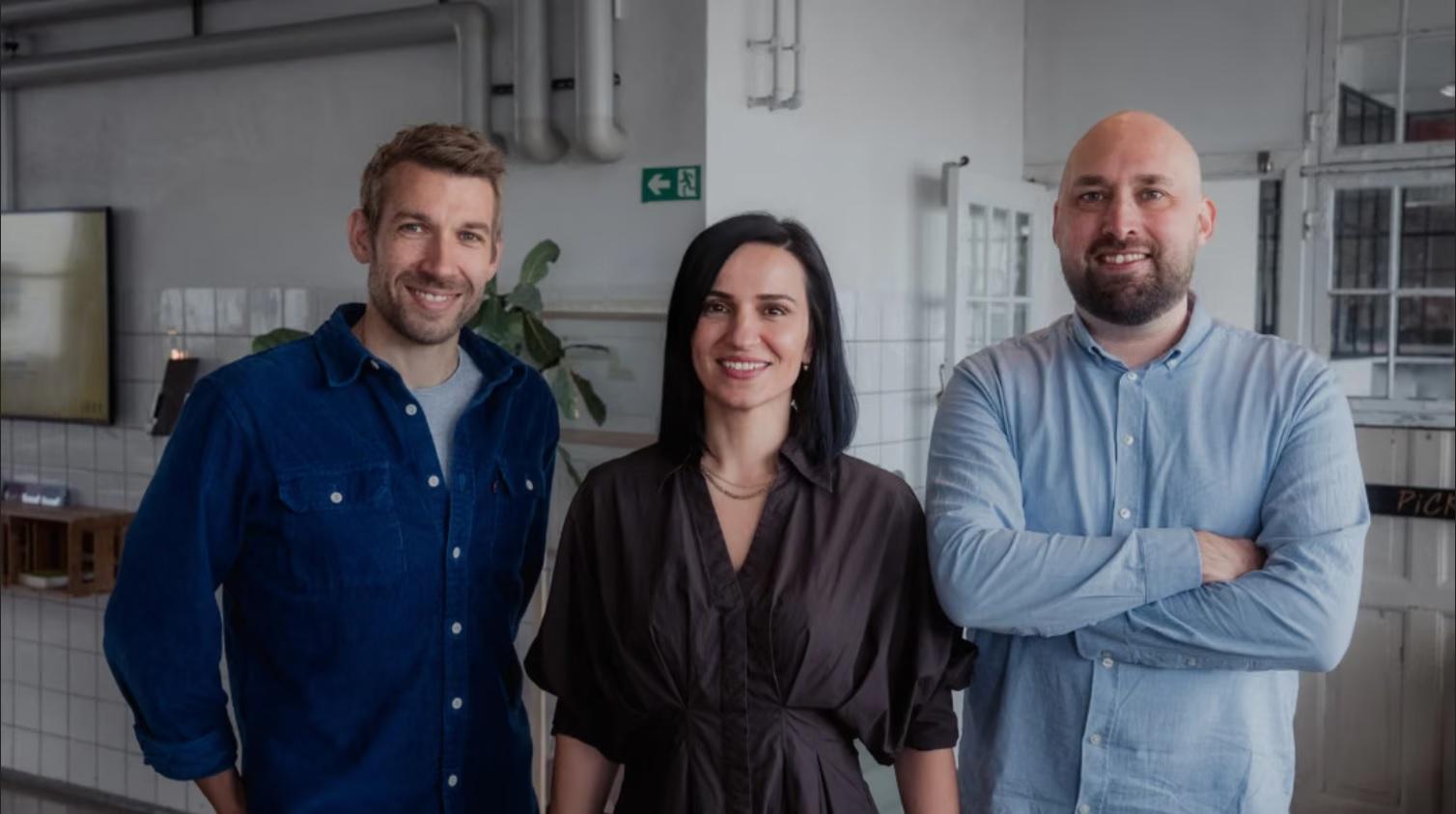
Mara Steinbrenner, CEO of Love Dis, and her team skillfully hosted the event at Gunter Schneider’s wonderful Lokschuppen venue in Marburg.


Newsletter
Startups, stories and stats from the German startup ecosystem straight to your inbox. Subscribe with 2 clicks. Noice.
LinkedIn ConnectFYI: English edition available
Hello my friend, have you been stranded on the German edition of Startbase? At least your browser tells us, that you do not speak German - so maybe you would like to switch to the English edition instead?
FYI: Deutsche Edition verfügbar
Hallo mein Freund, du befindest dich auf der Englischen Edition der Startbase und laut deinem Browser sprichst du eigentlich auch Deutsch. Magst du die Sprache wechseln?